Open Shutter Gallery Contemporary fine art photography
Contemporary fine art photography has become an integral part of hotel design, as hotels seek to create a unique and visually stunning experience for their guests. With the rise of social media, travelers are increasingly looking for Instagram-worthy destinations, and hotels are responding by commissioning or displaying photographic art that reflects the spirit of their brand. Contemporary fine art photography has the power to transform a hotel space, creating a sense of ambiance and adding a layer of sophistication to the overall design.
In the context of photos of hotels, contemporary fine art photography can capture the essence of a hotel’s location, history, and culture. Photographers can highlight the unique architectural elements of a hotel or showcase the surrounding natural beauty, adding a layer of authenticity to the guest experience. Whether displayed in public spaces or guest rooms, fine art photography can create a sense of place and imbue the hotel with a distinct personality.
Denver downtown hotels for photographers
Denver downtown hotels are an interesting subject for photographers, with their unique architecture, colorful murals, and stunning city views. Many of these hotels boast impressive design features, such as the Grand Hyatt Denver's sleek glass exterior or the Oxford Hotel's historic red-brick façade. Photographers can capture these buildings in different lighting and angles to create striking images that highlight the beauty of the architecture.
In addition to the buildings themselves, Denver downtown hotels also feature interesting interior design elements, such as eclectic artwork and luxurious furnishings. For example, the ART, a hotel, showcases contemporary art throughout the hotel, including in the guest rooms, lobby, and public spaces. Photographers can capture these artworks and their placement within the hotel to create visually striking compositions. Furthermore, many of these hotels offer unique views of the city skyline, such as from the rooftop bars or guest room balconies, providing opportunities for photographers to capture stunning panoramic shots of the Denver skyline.
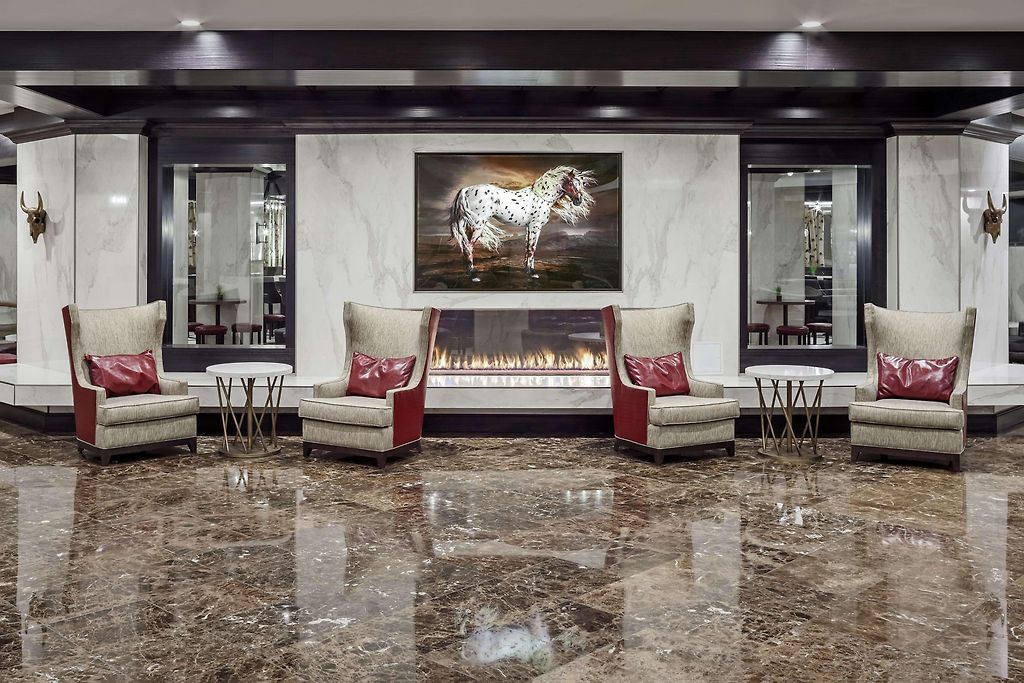
Check out our collection of hotels for photographers in Denver
Denver's motels
Many of these motels are located in convenient areas that provide easy access to downtown Denver and its attractions, making them a popular choice for tourists looking to explore the city. These accommodations often offer affordable rates and basic amenities that are ideal for short-term stays.
Denver Lodging
Denver offers a wide variety of lodging options for visitors. From budget-friendly motels to luxurious hotels and vacation rentals, there is something for every traveler's taste and budget.
Casino Hotels in Denver
Unfortunately, there are no casino hotels located in Denver. However, visitors looking for a gaming experience can find several casinos located within a short drive from the city.
Denver Lodge
Visitors looking for a rustic and cozy retreat can find several lodges located in the nearby mountains. These lodges offer comfortable accommodations, stunning views, and easy access to outdoor activities such as hiking, skiing, and snowboarding, providing a perfect escape from the hustle and bustle of the city.
Amazing Denver hotels list
Denver is a city that's full of amazing hotels, each offering a unique and memorable experience to travelers. Whether you're in town for business or pleasure, there's a hotel in Denver that's perfect for your needs. Here are some of the top hotels in Denver that you should definitely check out during your next visit:
The Sheraton Denver Downtown Hotel is a classic option for anyone looking for a comfortable and convenient stay in the heart of the city. With its prime location just steps away from all the best shopping, dining, and entertainment options, this hotel is a great choice for anyone who wants to be in the middle of the action. Another excellent option is the Hotel Hyatt Regency Denver at Colorado Convention Center. With its sleek and modern design, this hotel is perfect for anyone who wants a luxurious and contemporary stay in Denver. Its location near the convention center is also ideal for business travelers. The Warwick Denver Hotel is another great choice for anyone looking for a boutique hotel experience in the city. With its stylish design and personalized service, this hotel is perfect for anyone who wants to feel like they're part of the local scene.
Denver 5-star hotels
For those who want the ultimate in luxury, the Four Seasons Hotel Denver is a must-visit. With its world-class amenities and stunning design, this hotel is one of the top hotels in the city and is perfect for anyone who wants to be pampered and indulged during their stay.
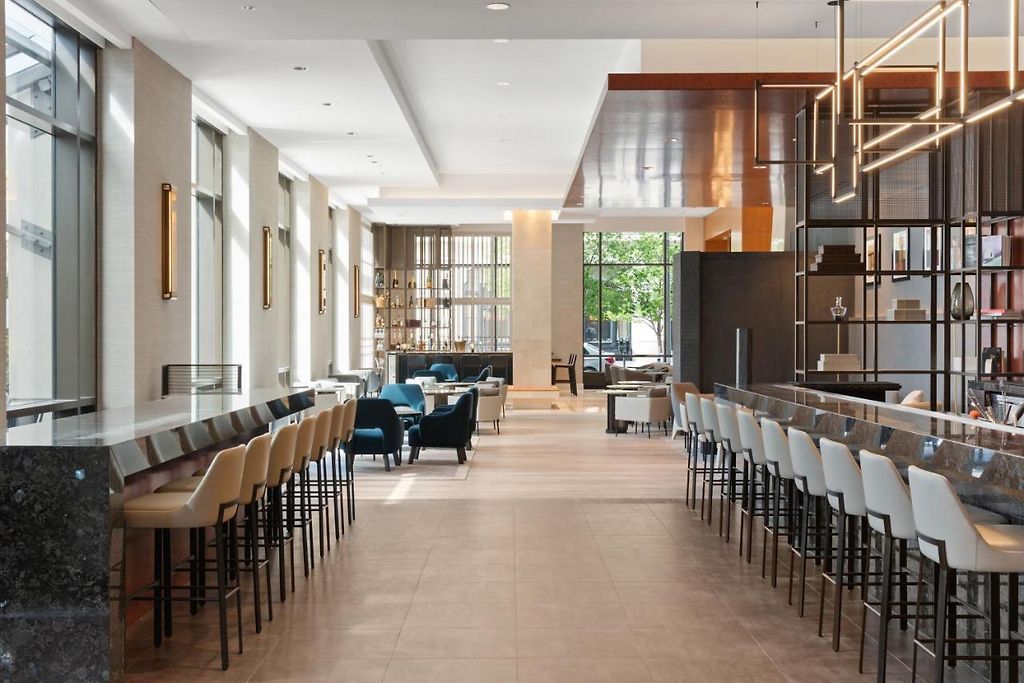
The Hilton Denver City Center is another classic option that's perfect for anyone who wants a comfortable and convenient stay in Denver. With its prime location in the heart of downtown, this hotel offers easy access to all the best attractions and entertainment in the area. The Westin Denver Downtown Hotel is a great choice for anyone who wants a more relaxed and laid-back atmosphere during their stay. With its cozy rooms and peaceful ambiance, this hotel offers a great place to unwind and relax after a busy day of exploring the city. For business travelers, the Denver Marriott Tech Center Hotel is an excellent option. With its convenient location near the city's tech hub and its excellent business facilities, this hotel offers everything you need to stay productive and focused during your trip.
The Source Hotel Denver is a unique and trendy option that's perfect for anyone who wants to experience something different during their stay. With its creative design and artsy vibe, this hotel is a great choice for anyone who wants to feel like they're part of Denver's thriving cultural scene. Looking for a hotel in Denver that offers luxurious accommodations and impeccable service? Look no further than The Ritz-Carlton, Denver Hotel. This stunning hotel boasts top-notch amenities, including an on-site spa and a gourmet restaurant, making it the perfect place to stay if you're looking for a little pampering.
If you're in town for business, the Hyatt Regency Denver Tech Center Hotel is a great choice. This modern hotel offers spacious meeting rooms and a convenient location close to the city's major business districts. Plus, with amenities like a fitness center and an indoor pool, you'll be able to stay productive and energized throughout your stay. For a truly unique experience, check out The Brown Palace Hotel And Spa, Autograph Collection Denver. This historic hotel has been a Denver landmark for over 100 years and is known for its luxurious accommodations and exceptional service. The hotel's spa is also a must-visit, offering a range of indulgent treatments and therapies.
Denver Hotels With Jacuzzi in Room
If you're looking for a trendy and chic place to stay, the Kimpton Hotel Monaco Denver is a great choice. This stylish hotel is located in the heart of the city and offers amenities like a rooftop bar and a 24-hour fitness center. With its fun, eclectic vibe, it's the perfect place to stay if you're looking for something a little out of the ordinary.
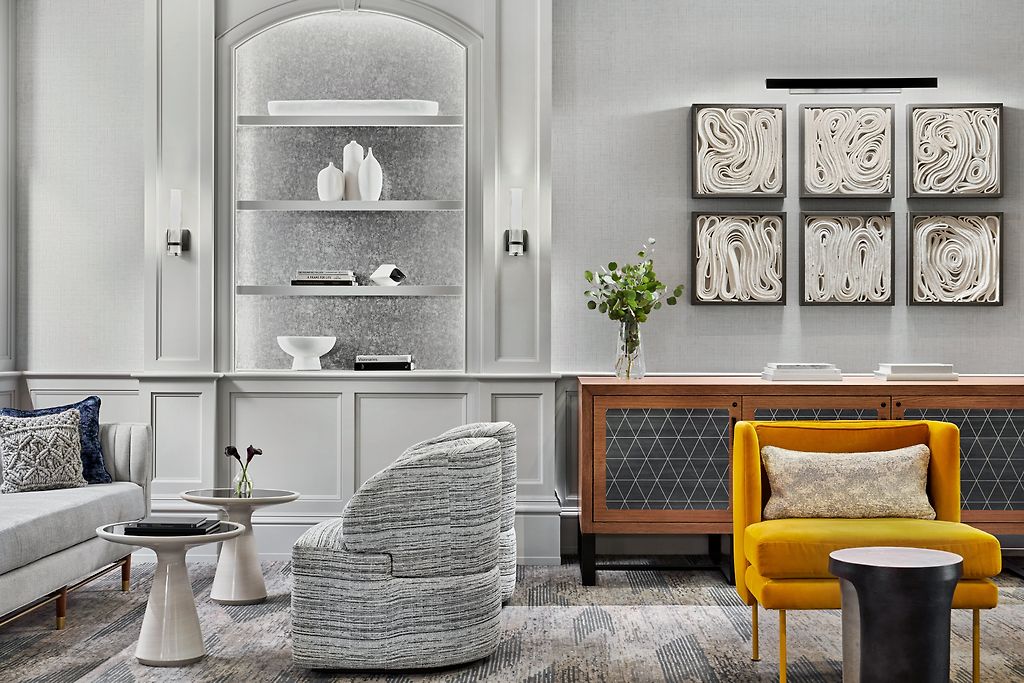
The Hyatt Place Denver Downtown Hotel is another great choice for travelers looking for a comfortable and convenient place to stay. This hotel is located in the heart of downtown Denver, just steps away from some of the city's best attractions and dining options. Plus, with amenities like a 24-hour fitness center and complimentary breakfast, you'll have everything you need for a great stay.
For a fun and funky experience, check out The Curtis Denver - A Doubletree By Hilton Hotel. This colorful hotel is known for its playful decor and unique amenities, like a 24-hour "scent menu" and a retro-themed candy store. It's the perfect place to stay if you're looking for a little bit of whimsy and charm. The Ramble Hotel Denver is another great option for travelers looking for a boutique hotel experience. This elegant hotel offers stylish accommodations and amenities like a speakeasy-style bar and a chic lobby lounge. It's the perfect place to stay if you're looking for something a little more sophisticated and refined. If you're looking for a hotel that's both stylish and eco-friendly, the Kimpton Hotel Born Denver is a great choice. This LEED-certified hotel features modern design and sustainable amenities, like a green rooftop and a bike-sharing program. With its focus on sustainability and style, it's a great choice for eco-conscious travelers.
The Rally Hotel Denver is another great choice for travelers looking for a unique and immersive experience. This hotel is located inside the historic McGregor Square development and offers stunning views of the city skyline. Plus, with amenities like a rooftop pool and a gourmet restaurant, you'll have everything you need for a memorable stay. If you're looking for a reliable and convenient hotel chain, the Hilton Garden Inn Denver Downtown and Hilton Garden Inn Denver Union Station are both great options. Both hotels offer comfortable accommodations and convenient amenities like on-site dining and fitness centers. They're the perfect choice for travelers who want a no-fuss, reliable hotel experience.
If you're planning a trip to Denver, you'll find a wide variety of hotels to choose from. One great option is the Doubletree By Hilton Hotel Denver. This modern hotel offers comfortable accommodations and amenities like a fitness center and on-site dining. Another great hotel option in Denver is the Renaissance Denver Central Park Hotel. This stylish hotel features sleek, modern design and top-notch amenities like a rooftop pool and a gourmet restaurant.If you're looking for a hotel in the trendy Cherry Creek neighborhood, check out the Hyatt Place Denver Cherry Creek Hotel. The Hilton Garden Inn Denver/Cherry Creek is another great option for travelers looking for a comfortable and convenient place to stay. This hotel features modern accommodations and amenities like a fitness center and on-site dining.
For budget-conscious travelers looking for a unique experience, the Ember Hostel Denver is a great option. For a luxurious hotel experience in Denver, check out The Jacquard, Autograph Collection Hotel Denver. This elegant hotel features upscale accommodations and amenities like a rooftop pool and a gourmet restaurant. The Moxy Denver Cherry Creek Hotel is another great option for travelers looking for a trendy and chic place to stay. This stylish hotel features modern design and amenities like a rooftop bar and 24-hour fitness center.
Hotels close to the airport
If you're looking for a hotel close to the airport, the Comfort Suites Denver International Airport is a great choice. This budget-friendly hotel offers comfortable accommodations and amenities like a fitness center and free airport shuttle. For those traveling to Denver by plane, the Mainstay Suites Denver International Airport provides comfortable accommodations and complimentary airport shuttle service. The Embassy Suites By Hilton Denver Tech Center North is a great choice for business travelers looking for a comfortable and convenient place to stay.
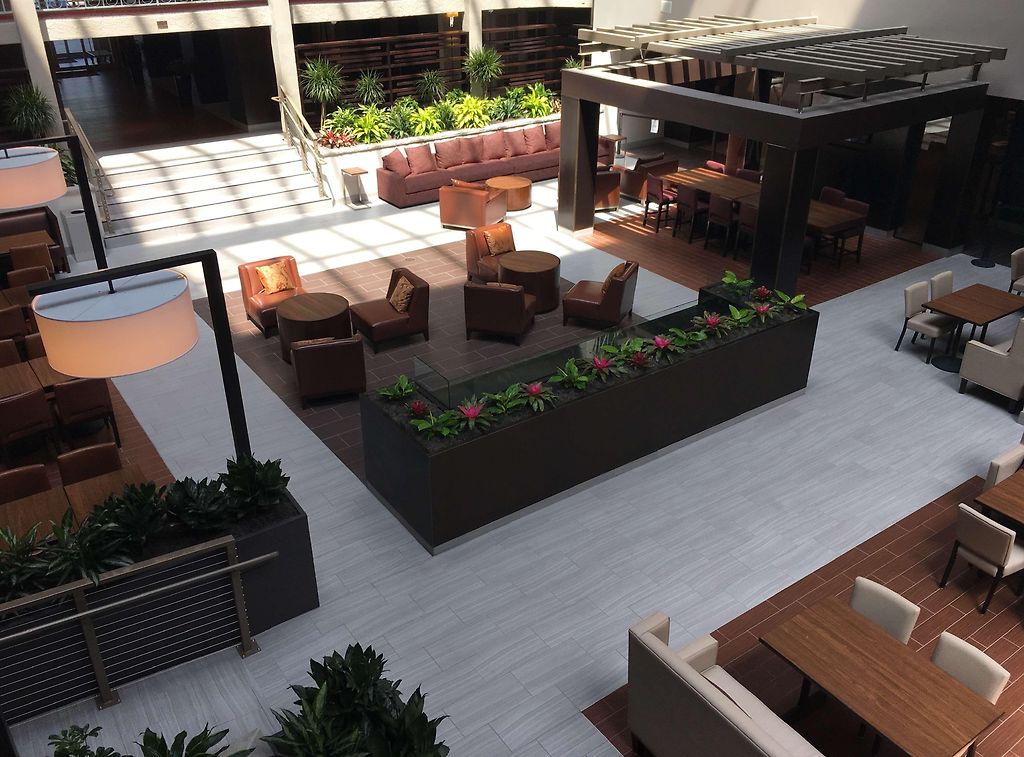
If you're looking for a hotel close to the airport, the Baymont By Wyndham Denver International Airport Hotel is a great choice. Finally, the Crowne Plaza Denver Airport Convention Ctr Hotel provides a convenient and comfortable stay for those attending events at the nearby convention center, with modern amenities and a complimentary airport shuttle. The Hyatt House Denver Airport Hotel is another great option for travelers looking for a comfortable and convenient place to stay near the airport.
For travelers arriving or departing through Denver International Airport, the Hampton Inn Denver-International Airport, Courtyard By Marriott Denver Cherry Creek Hotel, and Homewood Suites By Hilton Denver International Airport provide comfortable accommodations and easy access to the airport. If you're looking for a hotel that's close to the airport, The Westin Denver International Airport Hotel is a fantastic choice. With its spacious and comfortable rooms, this hotel offers a great place to rest and recharge before or after a long flight.
For a more suburban experience, the Doubletree By Hilton Denver Central Park Hotel and Comfort Inn & Suites Denver Northfield offer easy access to the Northfield Stapleton shopping and dining district. Visitors to the Mile High City can also choose from several budget-friendly options, such as the Microtel Inn & Suites By Wyndham Denver Airport, Wingate By Wyndham Denver Airport Hotel La Quinta Inn By Wyndham Denver Cherry Creek, Staybridge Suites Denver - Cherry Creek, Super 8 By Wyndham Denver Stapleton Hotel, and the 11Th Avenue Hostel Denver. For a unique lodging experience, the Kasa Comma Lohi Denver Aparthotel offers spacious, fully-furnished apartments in the trendy Lower Highland nurious stay, the Hotel Clio, A Luxury Collection Hotel, Denver Cherry Creek offers top-of-the-line amenities and services in a sophisticated setting.
City Center Hotels
The Tru By Hilton Denver Downtown Convention Center Hotel is another great option for budget-conscious travelers. This modern hotel features stylish accommodations and amenities like a fitness center and complimentary breakfast. The Renaissance Denver Downtown City Center Hotel is an ideal choice for travelers looking for a luxurious stay in the heart of Denver, with spacious rooms, modern amenities, and a prime location near the city's top attractions.

For a more budget-friendly option, the Days Inn By Wyndham Denver Downtown offers comfortable accommodations at an affordable price, with a convenient location just a few blocks from the Colorado Convention Center. Located in the upscale Cherry Creek neighborhood, the Doubletree By Hilton Denver Cherry Creek, Co Hotel offers stylish rooms, an on-site restaurant, and easy access to high-end shopping and dining. If you're looking for a cozy and charming stay, the Patterson Inn Denver is a boutique hotel housed in a historic mansion, offering unique rooms and a peaceful garden setting.
The Staybridge Suites Denver-Stapleton is a great choice for families or extended stays, with spacious suites featuring fully-equipped kitchens and plenty of room to relax. The Aloft Denver Downtown Hotel offers a trendy and modern vibe, with sleek rooms, a vibrant lobby bar, and a convenient location just steps from the popular 16th Street Mall. For travelers looking for an extended-stay hotel in Denver, the Best Western Plus Executive Residency Denver-Central Park Hotel is a great option.
The Residence Inn Denver Downtown and Residence Inn Denver Cherry Creek are both great options for travelers looking for an extended-stay hotel in Denver. These comfortable hotels offer spacious suites and amenities like a fitness center and complimentary breakfast. Located in the heart of Cherry Creek, the Hampton Inn & Suites Denver-Cherry Creek offer convenient access to some of the city's most popular shopping, dining, and entertainment destinations.
Denver Downtown Hotels
The Hotel Indigo Denver Downtown - Union Station, An Ihg Hotel is a stylish boutique hotel located in the trendy Union Station neighborhood, offering unique rooms and easy access to Denver's top restaurants and nightlife. For a classic motel experience, the Belcaro Motel Denver provides simple and affordable accommodations with a retro flair. For travelers looking for a chic and modern hotel experience in downtown Denver, the Sonesta Denver Downtown Hotel is a great option. This sleek hotel features stylish accommodations and amenities like a rooftop bar and fitness center.
The Hampton Inn & Suites Denver-Downtown is another great choice for travelers looking for a comfortable and convenient place to stay in downtown Denver. If you're looking for a hotel on the east side of Denver, the Holiday Inn Denver East, An IHG Hotel is a great option. This comfortable hotel offers spacious rooms and amenities like a fitness center and outdoor pool. Those looking to explore downtown Denver can choose from a variety of hotels, including the Holiday Inn Express Denver Downtown, Homewood Suites- Denver Downtown Convention Center, Staybridge Suites Denver Downtown, Ac Hotel By Marriott Denver Downtown, and The Holiday Chalet Hotel Denver.
The Fairfield Inn & Suites Denver Cherry Creek offers a comfortable and convenient stay for both business and leisure travelers, with modern rooms and easy access to the Cherry Creek shopping district. The Home2 Suites By Hilton Denver Northfield offers spacious and modern suites with fully-equipped kitchens, perfect for families or extended stays.